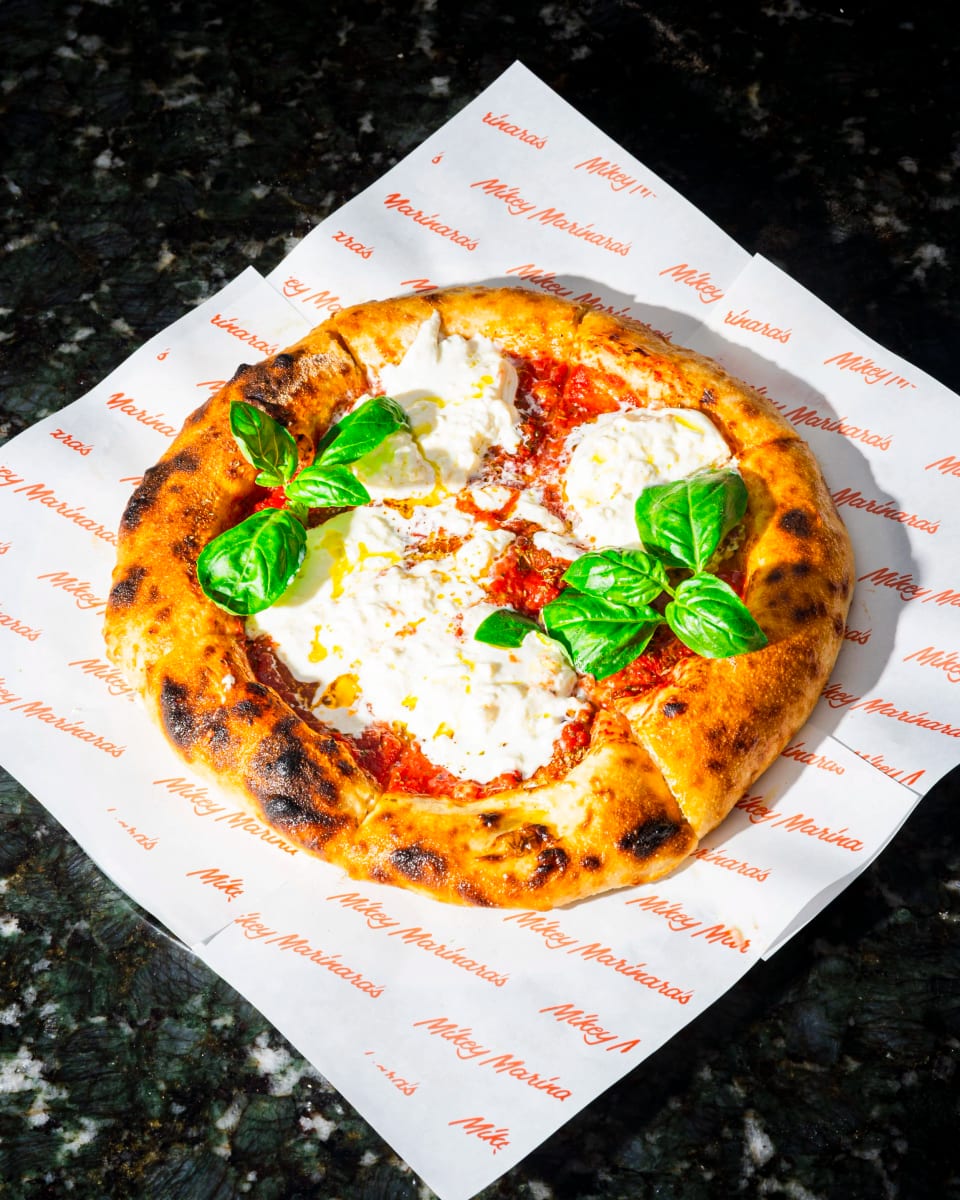
To plan a company pizza lunch in Huntington around food allergies, collect every guest's dietary needs with the RSVP and give your caterer that list with the headcount before you book.
A guest who writes "nuts" has not said whether that means tree nuts, peanuts or both, and the FDA lists them as separate major allergens. A guest who writes "no gluten" has said something different from a guest who writes "wheat." This guide uses the FDA's and CDC's own pages to turn a vague RSVP answer into a list a Huntington office can plan from.
Which food allergens should the RSVP ask about?
The FDA names nine major food allergens: milk, egg, fish, crustacean shellfish, tree nuts, wheat, peanuts, soybeans and sesame. Sesame is the newest. The FASTER Act, signed on April 23, 2021, made it the ninth, effective January 1, 2023.
Under the labeling law, the FDA says a packaged food's label must name the food source of each major allergen, either in the ingredient list or in a Contains statement. That is why your RSVP should ask guests to name the food, not just say they are allergic.
Wheat is on the FDA's list. Gluten is the name for proteins found in wheat, barley and rye, so a guest who writes "gluten" and a guest who writes "wheat" have given you two different facts. Ask which one applies.
What does gluten-free mean on a food label?
In the FDA's rule, any unavoidable gluten in a food labeled gluten-free must be less than 20 parts per million. The rule covers FDA-regulated packaged foods, and using the claim is voluntary. For restaurants, the FDA recommends that a menu's gluten-free claim be consistent with that definition.
If a guest needs gluten-free food, write that on your list and ask the caterer exactly what that guest will be served.
What should you ask a caterer about a guest's allergy?
Ask which of the nine allergens each dish contains and how the caterer keeps an allergen from reaching a guest's plate. Cross-contact is the term for an allergen reaching food that does not contain it, and the FDA and CDC both use it.
Ask for ingredient lists too. A CDC report on restaurant food allergy practices cites a food allergy group's recommendation that a business be able to supply, on request, a list of ingredients for any menu item.
How do you collect dietary needs for a Huntington company lunch?
Add one line to the RSVP: "Do you have a food allergy or dietary need? Please name the food." Set a reply date well before the lunch, then count your guests by need as well as by name. Send that count with your headcount when you ask for the quote.
Share what a reaction looks like with whoever runs the lunch. The FDA lists hives, swelling of the face, tongue or lips, vomiting, wheezing and difficulty breathing among the symptoms, which typically appear from within a few minutes to a few hours after eating. A guest with a known allergy who notices them should stop eating immediately, decide whether to use emergency medication such as epinephrine, and seek medical attention.
We pull into your lot in Huntington with the wood-fired oven. See our corporate pizza catering page, then book the truck or call or text (631) 538-7596. Send your date, headcount and address, plus every dietary need on your list, and Mikey will tell you which package fits and plan the run with you.